Use the free script below to tell the story of your child’s name, honour the people welcoming them, and get through the whole occasion without a single mention of original sin.
A name is the first thing you give a child that they will carry their whole life, which is a lot of pressure to put on two sleep-deprived people arguing in a hospital parking lot.
If you named this baby with a partner, you already know how it goes. You suggest a name. They veto it, because they went to school with a kid by that name who ate glue. You suggest another. Also vetoed: more glue. By the end of the process you are holding grudges against half of a 1987 kindergarten class in Surrey that you never attended, and the baby still does not have a name.
But somewhere in all of that, you landed on one. Maybe it belonged to the grandmother who taught you to bake, swore at the hockey like it owed her money, and slipped you a twenty with firm instructions that your parents needn’t know. Maybe it came from a musician whose records got you through your teens, or a Star Trek captain you refuse to apologize for.
There is a story there, friends. A naming ceremony is the party where you finally get to tell it.
Why have a naming ceremony at all?
Religion has been standing in the doorway of life’s big occasions for so long that people mistake it for the owner of the building. A baby arrives, someone’s mother mentions a christening, and before you know it you are defending your entire worldview over a casserole when all you wanted was for your family to come over and be happy with you.
Here is what I need you to understand about welcoming ceremonies: they are older than Christianity. A lot older. In ancient Athens, families held the Amphidromia on the fifth or seventh day after a birth, carrying the newborn around the hearth to introduce them to the household, with the naming done in front of witnesses then or at a tenth-day party called the dekate, because one baby party was apparently not enough for the Greeks. The Romans had the dies lustricus, a naming day held on the eighth day after birth for girls and the ninth for boys, where the kid got their name and everybody got a feast. Marinade on that: babies were being named in front of their people before anyone could be invited on Facebook.
Family traditions are often monopolized by religion, but this monopoly is crumbling. More than a third of Canadians, 34.6% of us, reported no religious affiliation in the 2021 census, the highest share ever recorded. That is a lot of new parents who would like to make a fuss over their baby without renting a deity to supervise.
If a made-up ritual feels silly, consider what we already do for birthdays. We stab little sticks of wax into a cake, set them on fire, sing a song that no family in recorded history has sung in tune, and then invite one person to blow air all over a dessert we intend to share. We repeat this annually. Grown adults get hurt feelings if you forget. Humans are ritual-making machines, my friends. We are fully capable of deciding that an occasion matters and inventing something weird and wonderful to mark it.
A naming ceremony gives the welcome a shape. Someone says the child’s name out loud. You tell its story. The people you love hear why this tiny person matters to you. If you want a professional, Humanist Canada’s officiants lead welcoming ceremonies built around your family’s own hopes, with room for music, guideparents, tree plantings and certificate signings, for single parents, two-mom families, two-dad families, step-families and every other configuration of people who love a baby. Or skip the officiant and ask someone you trust to lead. There is no licence required to say a kid’s name in a backyard.
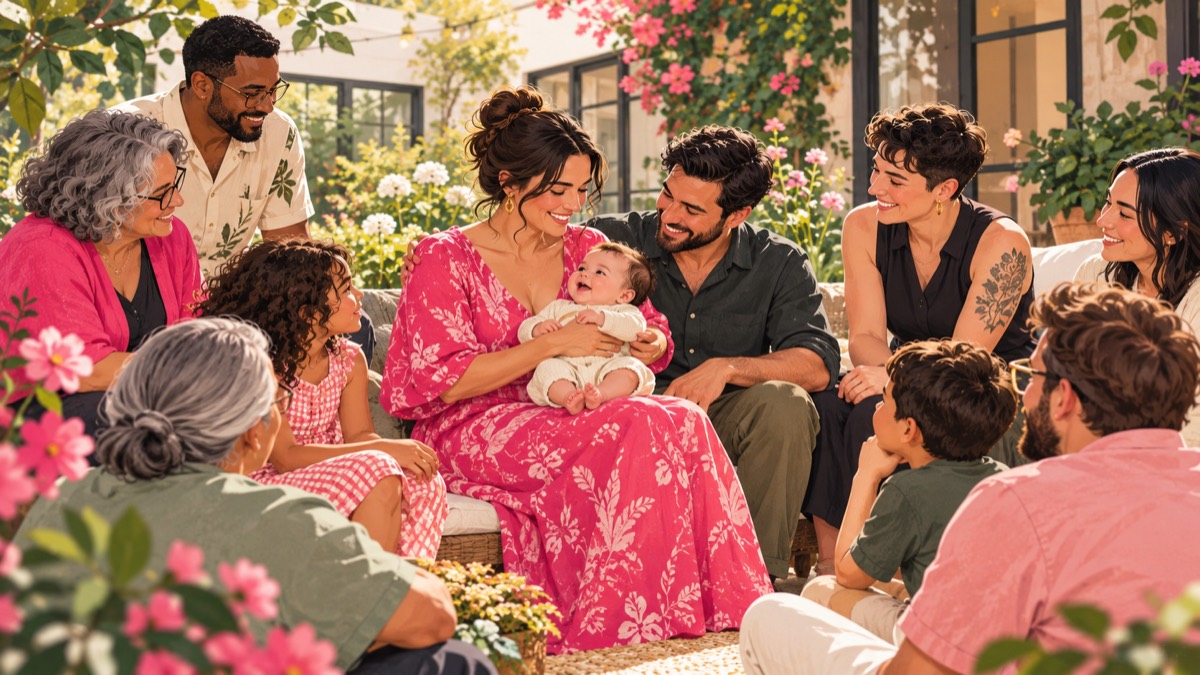
Picture that backyard. Chairs borrowed from three households. One relative herding everyone into the shade. One guest dressed for a royal garden party despite being told twice that it’s casual. Then the person leading asks for everyone’s attention, and for one moment, all of these people stop talking over each other and listen while you say what this child’s arrival means to you.
That moment is worth having. So is hearing your best friend tell your kid, out loud, in front of everybody, why they are glad to know them. You may both need to find something fascinating to inspect in the grass afterward. Human beings can be spectacularly awkward about saying they love each other, and sometimes it helps to give them a date, a place and a few words to hide behind until they manage it.
Who stands beside you? Guideparents, explained
Look at the people you would actually call at 3 a.m. The friend who shows up. The aunt who listens. The neighbour who became family through years of borrowed ladders and being there when things went to shit. Those relationships deserve to be named, too.
You can invite particular adults to read, tell a story or be formally welcomed as guideparents, the secular answer to godparents. Ask them ahead of time, and tell them exactly what part you would like them to play. “Say something about the child” is an invitation to panic. “Tell the story about the first time you met them” gives a person somewhere to start.
One thing to get straight before anyone signs a keepsake: the role is symbolic. Humanists UK is explicit that naming a guideparent does not make them a legal guardian of your child if you die. Guardianship is legal paperwork, done under the law where you live, on a different and far less fun day. Do both if you want both.
Use the family you actually have. A single parent can lead the whole thing. Two moms, two dads, step-parents and grandparents can all speak in their own names. Siblings can take part if they want to, without being volunteered for a public declaration of undying devotion while they are still deciding how they feel about sharing a bathroom.
For an adopted or older child, keep their existing name, history and relationships front and centre. Ask them what they want said, whether they want to speak, and whether they want this gathering at all. A welcome should leave a kid feeling like they belong. Dragging them into the middle of a circle of adults to perform gratitude is a hell of a strange way to get there.
Ceremony script
A secular baby naming ceremony script
Here are words you can actually use. Replace the brackets, change “we” to “I” where it fits, and let every speaker see their part ahead of time. A parent can lead the whole thing, or a friend or celebrant can take the host’s lines.
Read it out loud before the day. Some sentences look gorgeous on a screen and turn into a mouthful of wet cement the moment you say them. Change those. If your family knows you as the person who says “pass the damn remote,” they are going to notice if you suddenly start talking like a greeting card.
Welcome
Host:
Welcome, everyone. We’re here to celebrate [child’s full name], and to welcome them into this family and this circle of friends.
Thank you for being part of their life, and for being here to mark this day. Some of you have known this family for years. Some of you are newer arrivals. We want [child’s name] to know who you are and why you matter to this family.
Today, we’ll hear the story of [child’s name] and say together that they are welcome here.
The name and its story
Parent or parents:
Your name is [child’s full name]. We chose [name] because [tell the story in your own words: a person, a language, a place, a meaning, or simply why you loved it].
Optional remembrance:
Your name also connects you to [person or family history]. We want you to know [one particular story or quality you hope to share with your child].
We love saying your name. We love that it belongs to you. Today we say it in front of these people who will share your life, and we welcome you with all the love we have.
Everybody’s welcome
Host:
[Child’s name], look at the people gathered here. They came to hear your name, learn part of your story and welcome you into their lives.
Everyone, together:
Welcome, [child’s name]. We’re glad you’re here.
Host:
[Child’s full name], today we have said your name, told part of your story and welcomed you in front of people who care about you. There are many stories still to come. We look forward to sharing them with you.
Thank you, everyone, for being part of this welcome.
A smaller ceremony
For a few people in the living room
Maybe you want everybody close enough to hear you without anyone standing up. The baby, a few people you love, the familiar dent in the sofa. There is something lovely about saying these things in the room where most of your actual life happens.
This smaller version keeps the name, its story and the shared welcome. One parent can read it, with everybody joining in at the end.
Parent or parents:
This is [child’s full name]. We chose this name because [share its story].
[Child’s name], we are so happy to welcome you into our family. You have arrived in a family full of stories, questions, laughter and people who are very glad you are here.
We have asked these people to be here because we love them and want you to know them. Today they are here to welcome you with us.
Everyone:
Welcome, [child’s name]. You have a place with us. We’re glad you’re here.
Make it yours: music, readings and the parts only your family could supply
A song can carry a whole relationship into a room. Maybe there is one you sang while you waited for this child, or one that belonged to somebody you wish could be there. Play it, and say why you chose it. Vet the whole song first, though. A gorgeous chorus can be hiding three verses about a man running off with his brother’s wife, and it is better to discover that before Grandma asks for a copy of the program.
A reading can come from a poem, a passage you love or a letter you write to your child. Introduce the writer and the title, and choose words you understand and mean. Nobody is handing out marks for borrowed profundity. If you would rather tell your kid about the little beach your family hits every summer, slippery rocks, aggressive gulls and all, tell them that. Give them something they can picture.
You can remember someone who has died by sharing a photograph and a story, without claiming they are watching from the ceiling. You can plant a tree, have guests write messages for the child to read when they’re older, or sign a keepsake copy of the welcome. Humanists UK has a step-by-step planning guide with more ideas. Pick things because they mean something to you. If a sand-pouring ritual leaves you wondering who is going to vacuum the carpet, you are free to leave the sand at the beach.
And yes, religious relatives can read, speak and love this child without smuggling a prayer into the middle of your ceremony. Be clear about the wording in advance. If that conversation makes your eye twitch, I wrote a whole guide to setting boundaries with religious family. The naming day itself stays about the child.
On the day: logistics, photos and letting go of the plan
Before you fall in love with the picture in your head, go stand in the spot where you want to hold this thing. Can people get there? Can they sit down, hear the words and escape the sun? Where does everybody go if it rains? That magnificent oak looks stunning in photographs, and if half the family has to clamber over a ditch to reach it, you can admire it from the patio.
Give the person leading a printed copy, with names spelled the way they sound and speaker changes they can see coming. Agree on who reads what. “Say a few words” can mean one lovely sentence or the complete history of your parents’ marriage, including the camping trips. You know your relatives. Act on that information.
If you want photographs, assign one person to take them so everybody else can look at the child with their actual eyes. If the baby cries, pause. If an older kid wants to sit beside someone instead of standing in the middle, let them. There is no prize for wrestling the afternoon back into the exact shape you imagined. The people in it get a say.
Keep a copy of the words afterward. Keep the name story, the guest messages and the photograph of everyone who stood there. One day you get to show this kid who came, explain the name you chose, and tell them why somebody was crying beside the hydrangeas.
You can build more secular rituals and family traditions from here as your life together unfolds. For now, you have a brand new person and a crowd of people ready to say their name with you. Let them say it. Let the occasion matter.
Secular naming ceremony FAQ
What is a secular baby naming ceremony?
A non-religious celebration where a new baby is formally welcomed into a family and community. Family and friends gather, the parents share the child’s name and the story behind it, and everyone welcomes the child together. There are no prayers, no religious officials and no legal component, so you can hold it anywhere and shape it however you like.
Who can lead a secular naming ceremony?
Anyone. A parent, a friend, a relative or a trained humanist celebrant can lead. Because the ceremony has no legal status, no licence or qualification is required. Organizations like Humanist Canada and Humanists UK offer trained officiants if you want a professional to shape and lead the day.
Is a naming ceremony legally binding?
No. A naming ceremony does not replace registering your child’s birth, and naming guideparents does not make them legal guardians. If you want to arrange guardianship, do that separately through the legal process where you live.
How old should a child be for a naming ceremony?
Any age works. Many families hold one within the first year, but naming ceremonies are also held for toddlers, older children and adopted children joining a family. For an older child, involve them in the planning and give them a real say in what happens.
What do you say at a naming ceremony?
A typical structure runs: a welcome from the host, the story of the child’s name told by the parents, optional readings or music, promises from parents or guideparents, and a collective welcome where everyone says the child’s name together. The full script above covers every part, ready to personalize.
What is a guideparent?
A guideparent is the secular equivalent of a godparent: an adult who promises a lasting, supportive relationship with the child, minus the religious instruction. The role is symbolic rather than legal, and you can call it whatever you like: supporting adult, honorary aunt, mentor, oddparent.
Did you hold a naming ceremony for your kid, or are you planning one? What did you include? Let me know in the comments!
Further reading
Further reading
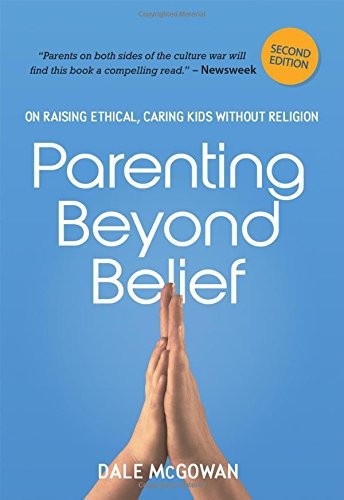
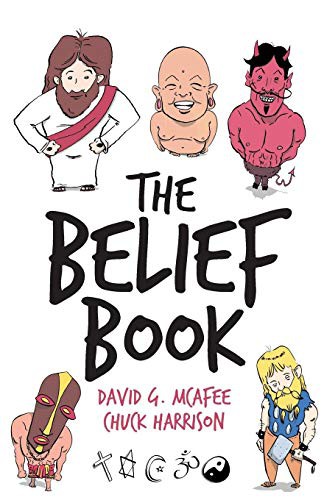
If you buy through the book links, I may earn a commission at no extra cost to you.
Sources (because we’re atheists)
- Amphidromia, Wikipedia. The ancient Athenian hearth ceremony held on the fifth or seventh day after a birth.
- Dies lustricus, Wikipedia. The Roman naming day: the eighth day after birth for girls, the ninth for boys.
- The Daily, 2021 Census: religion in Canada, Statistics Canada, October 26, 2022. 34.6% of Canadians reported no religious affiliation.
- Welcoming Ceremonies, Humanist Canada.
- What is a guide parent and what is their role?, Humanists UK.
- A Step-by-Step Guide For Planning a Naming Ceremony, Humanists UK.


Comments
Join the conversation. New comments are reviewed before appearing.