
We live in an age of unprecedented access to information. We also live in an age of unprecedented access to absolute bleeping nonsense. Conspiracy theories, pseudoscience, woo and magical thinking are everywhere, and they're getting more sophisticated. Especially, as AI enters the scene.
As a lifer atheist, though, I can assure you that you can inoculate yourself against these things. Below are five books that will give you the mental tools to think more clearly, question more effectively, and, as a bonus, verbally eviscerate the Q-flavored fever dreams your Taoist vegan chakra consultant uncle, calls 'facts'.
My little godless friends, if you read these five books, there isn't a scam, grift or con that can suck you in. Let's get you vaccinated against woo.
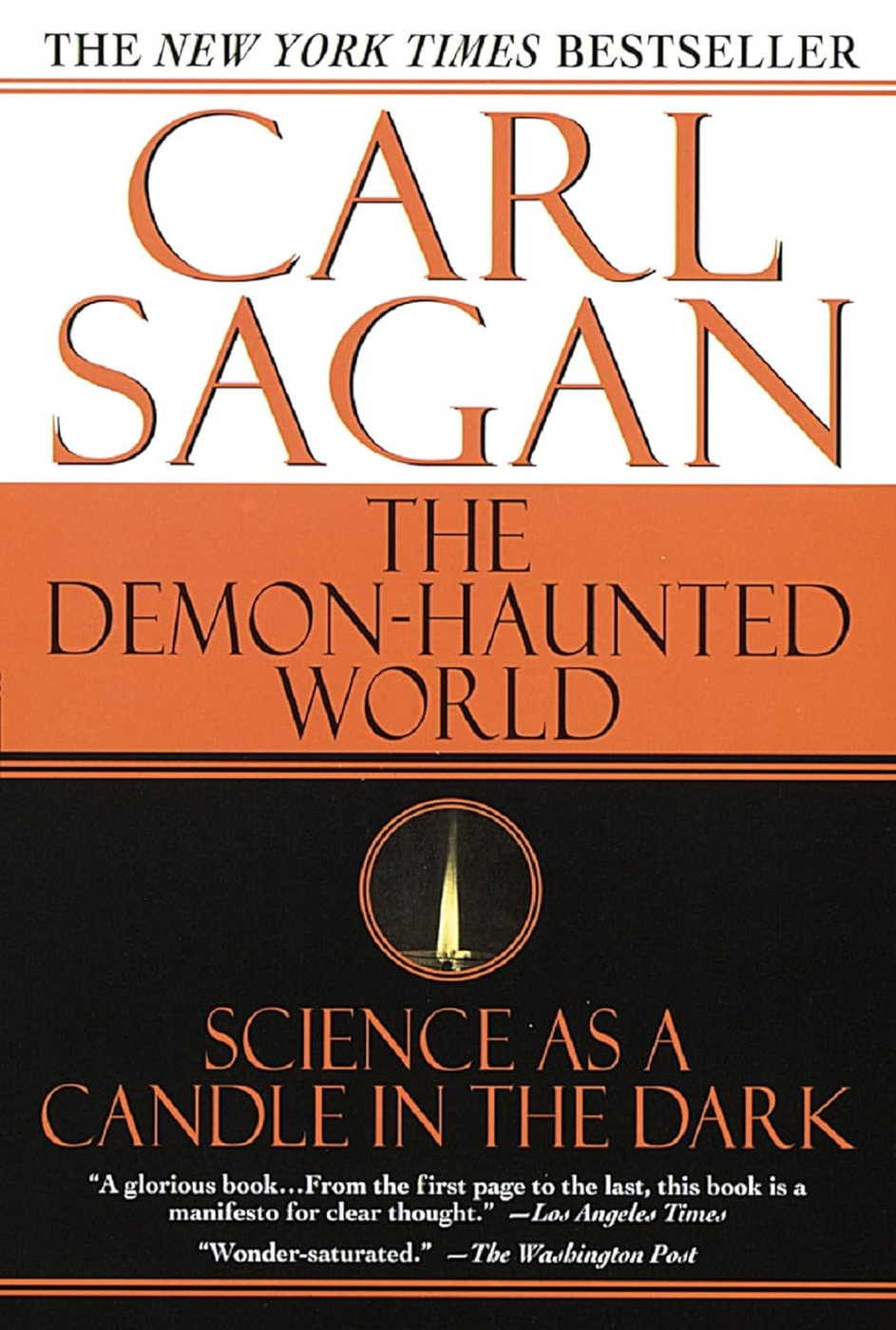
1. The Demon-Haunted World by Carl Sagan
If you only read one book from this list, make it this one.
You know what?
If you only read one book ever, make it this one.
Published in 1995, Sagan's masterwork is a passionate defence of scientific thinking and a warning about the dangers of ignorance. It's equal parts science education and cultural critique, and it is disturbingly even more relevant three decades later.
Sagan writes about:
The famous 'Baloney Detection Kit': a set of cognitive tools for identifying bad arguments and pseudoscience
Why people are drawn to supernatural explanations
How to distinguish between science and pseudoscience
The importance of skepticism in a democratic society
This is a deeply meaningful text for our current culture:
Sagan wrote this before the internet made misinformation a full-time industry. His warnings about a scientifically illiterate society feel prophetic. The baloney detection kit alone is worth the price of admission, it's a mental immune system for the information age. For the love of Cheese, don't sleep on this book. It absolutely has the power to fundamentally change your life for the better.
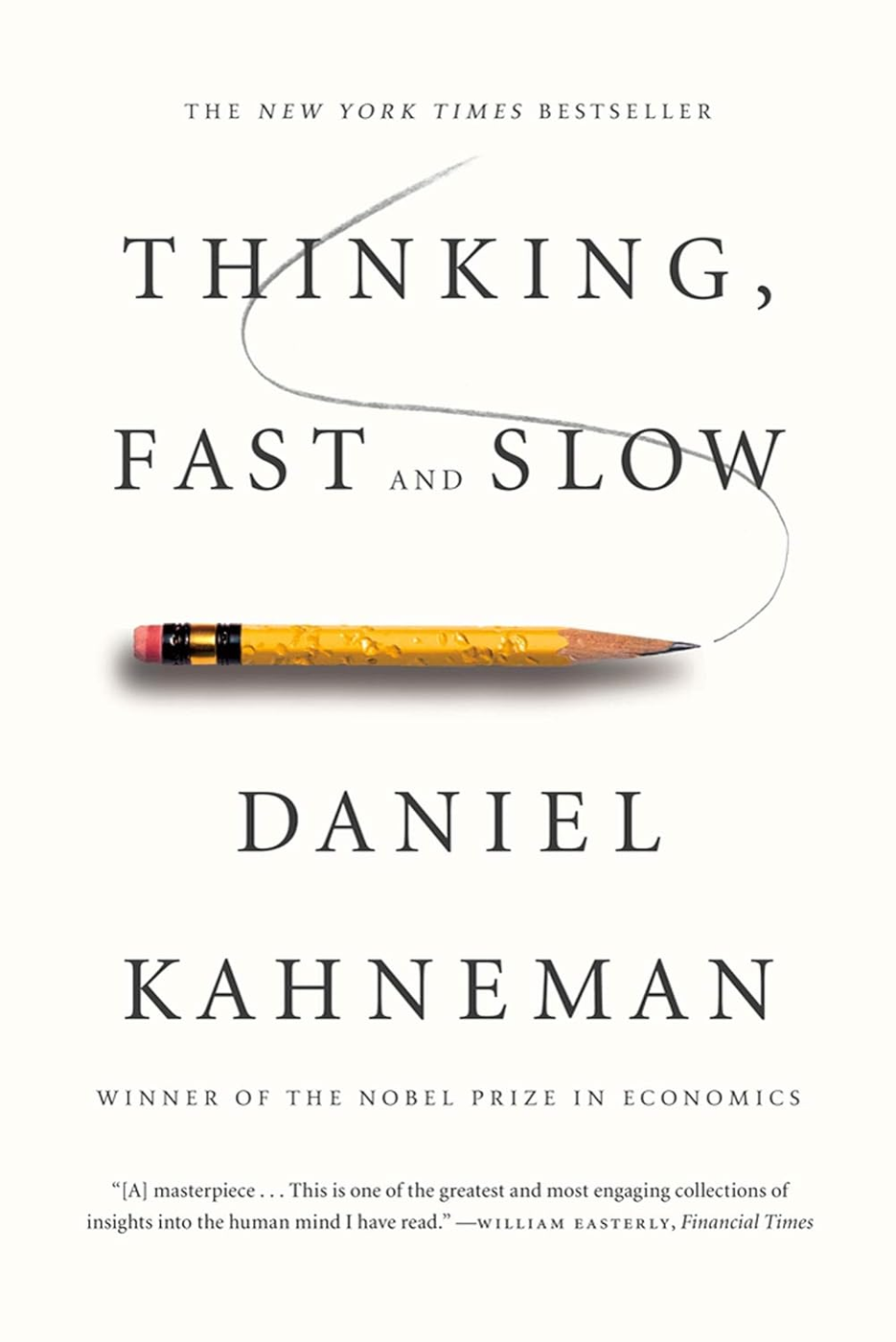
2. Thinking, Fast and Slow by Daniel Kahneman
Nobel Prize winner Daniel Kahneman spent decades studying how humans actually think, and it turns out (this will come as no surprise to atheists), we're not as rational as we think we are.
This book breaks down the two systems that drive our thinking: System 1 (fast, intuitive, emotional) and System 2 (slow, deliberate, logical). Most of the time, we're running on System 1, which is efficient but prone to all kinds of biases and errors.
Kahneman writes about:
Cognitive biases like confirmation bias, anchoring, and availability heuristic
Why we're terrible at assessing risk and probability
How overconfidence leads to bad decisions
The psychology behind why we believe things that aren't true
This is so deeply important for our times:
We are currently living through a global dumpster fire of mis- and disinformation. The internet isn't just a place to post pics of your Korean fried chicken; it’s an instant delivery system for thought goblins. We’ve watched these glitches in the human hard-drive do everything from turn your once-rational uncle into a "red-pilled" MAGA-verse gargoyle to actively hijacking the gears of democracy.
Once you learn to recognize cognitive biases, the world stops being a blurry mess of "opinions" and starts looking like a high-def crime scene. They. Are. Everywhere: in the mirror, in the headlines, and in the absolute wreckage of your family’s group chat. It’s like putting everyone's brain under a microscope, and fair warning: there is no off switch for this. You can't unlearn it.
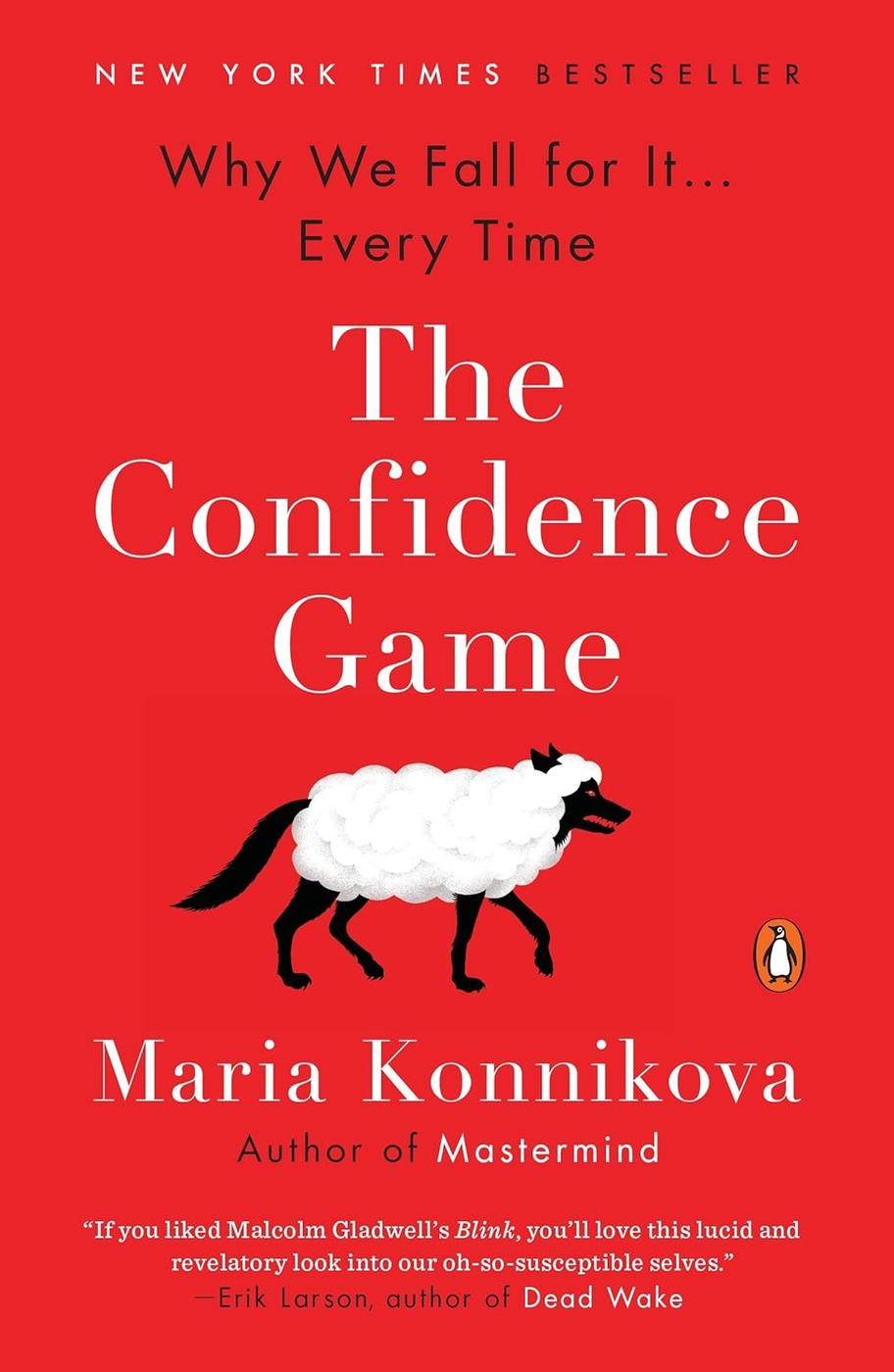
3. The Confidence Game by Maria Konnikova
Maria Konnikova will tell you that people are gullible, but she also performs a clinical autopsy on the art of the hustle and I am living for it. From high-stakes Ponzi schemes to the "spiritual" gurus selling you a shortcut to enlightenment, Konnikova explores why even the most sophisticated brains are hard-wired to fall for a good story.
Spoiler: People aren't conned because they're stupid. They're conned because they're human, and their desire for meaning is a backdoor for every grifter on the planet.
Konnikova writes about:
The Anatomy of the Hustle: The specific psychological stages (the "put-up," the "play," the "rope-a-dope") that lead from a simple conversation to a total loss of reality.
The "Total Believer" Syndrome: Why smart, successful people are often easier to con because they believe they’re too clever to be fooled.
Sense-Making vs. Logic: How our brains prioritize a narrative that feels good over a fact that feels cold.
The Dark Triad: Understanding the personality traits (narcissism, Machiavellianism, psychopathy) of the people who manufacture "weird things" for profit.
We need this book now:
In a digital landscape crawling with red-pilled, ice-bathed influencers and "truth-seeking" grifters pumped full of horse paste, understanding the con is the only way to avoid becoming the mark.
Konnikova shows that "weird beliefs" aren't just accidents of a pattern-seeking brain. Instead, they are often carefully curated traps designed to exploit our deepest needs for belonging and certainty.
If you want to protect your uncle (or yourself) from the next urine therapy scam, you have to understand the game being played. Konnikova gives you the cheat sheet.
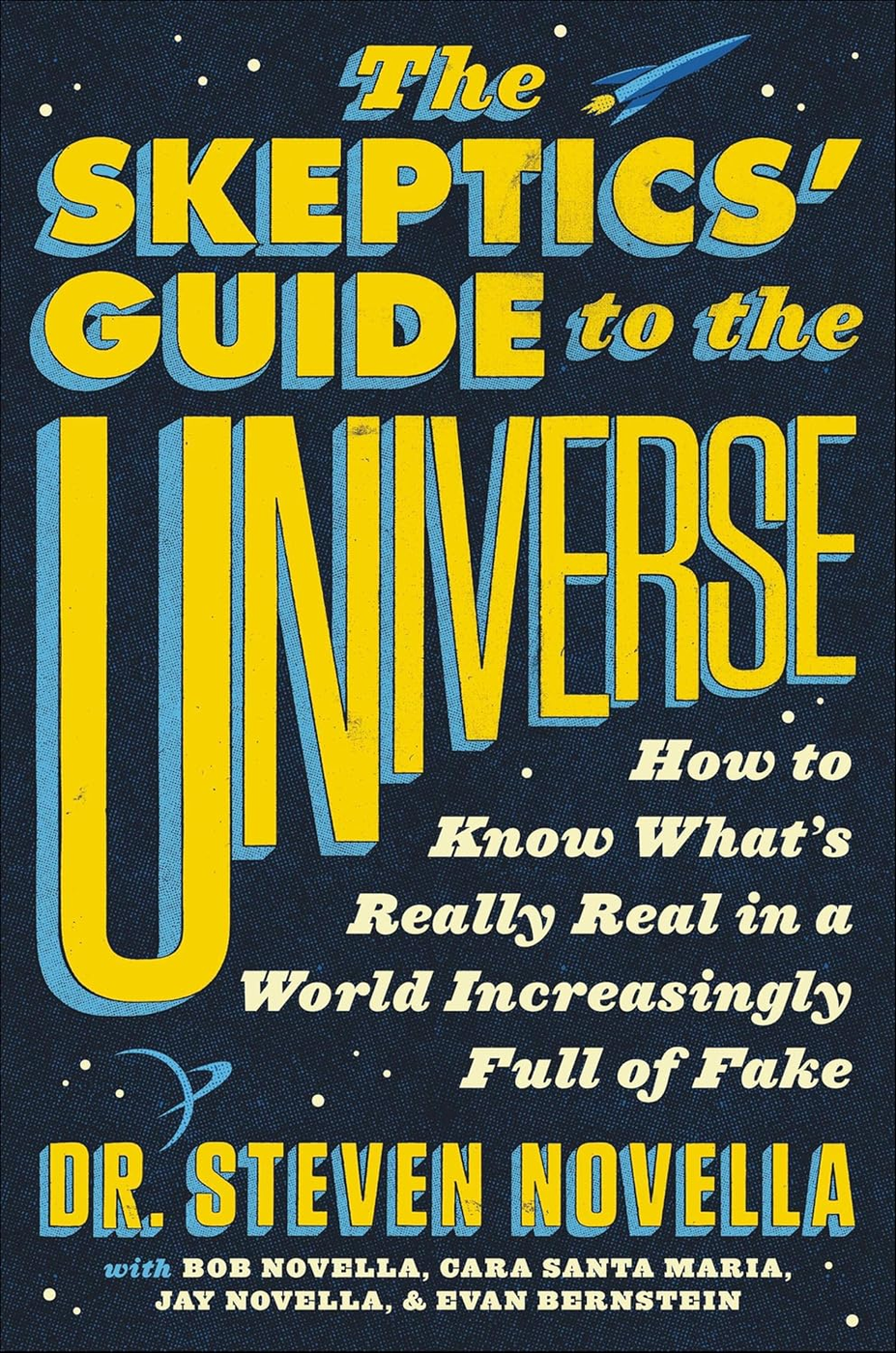
4. The Skeptics' Guide to the Universe by Steven Novella
Based on the long-running podcast of the same name, this book is like a university course in critical thinking, science literacy, and skepticism, but way more fun.
Neurologist Steven Novella breaks down complex topics into digestible chunks, covering everything from logical fallacies to the nature of scientific consensus.
Novella talks to us about:
The scientific method and how science actually works
Common logical fallacies and how to spot them
Why the plural of anecdote is not data
How to evaluate health claims and medical pseudoscience
More important today than ever:
This is the most practical book on the list. This is so much more than just thought experiments and doubt. This book is a toolkit you can apply immediately. Got a friend selling MLM essential oils? This book. Relative pushing ivermectin? This book. Someone sharing memes about "5G causing COVID"? We're gonna need the hardcover for this one.
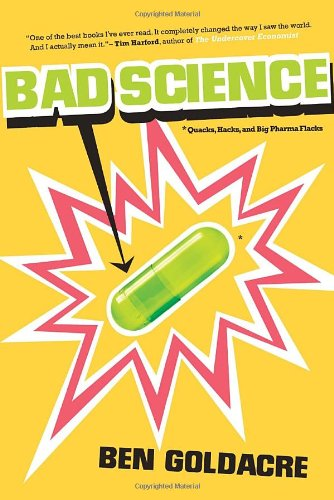
5. Bad Science by Ben Goldacre
British doctor Ben Goldacre takes on the entire alternative medicine industry, pharmaceutical companies, and the media with equal enthusiasm and devastating effectiveness.
This book is part science education, part investigative journalism, and part righteous anger... in the best way possible.
In the book, you'll learn:
How to read and evaluate scientific studies
Why homeopathy is literally just water
How pharmaceutical companies manipulate data
The difference between correlation and causation
This book should be required reading in 2026:
Health misinformation kills people. Literally. Goldacre shows you how to identify it, why it spreads, and how to protect yourself and others. This book will make you furious at snake oil salesmen and empowered to call them out.
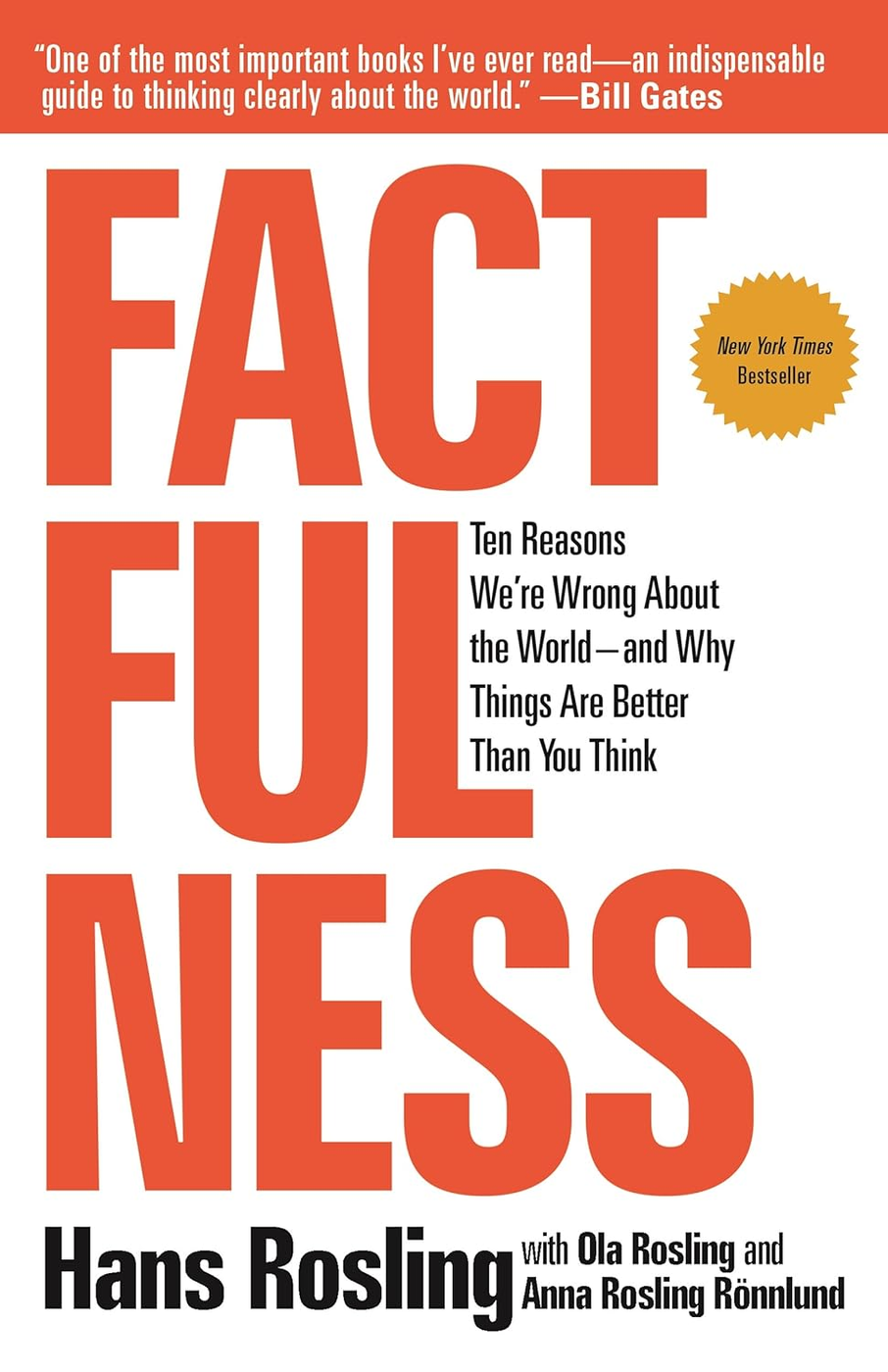
Bonus Recommendation: Factfulness by Hans Rosling
Okay, I cheated. Here's a sixth book because it's too good not to mention.
Rosling shows that most people (yes, even educated people) have wildly inaccurate views about how the world actually works. We think things are worse than they are because our brains are wired for drama, not data.
If you're a doomscroller or find yourself catastrophising often, this is the book for you. I am telling you right now, it brings relief faster than a whiskey bong hit.
Now that you're a smarter skeptic...
Critical thinking isn't a superpower. It's a skill. And like any skill, it gets better with practice. These books won't just make you a better skeptic, they'll make you a better thinker, a better decision-maker, and a cold, hard bucket of reality for the data-drunk rubes in your life.
Start with Sagan. Branch out from there. Your brain will thank you. The world will thank you. You will be a smarter skeptic.
And the next time your uncle starts talking about chemtrails, you'll be ready.
Get exclusive articles for patrons only:
Join Now




Comments
Join the conversation. New comments are reviewed before appearing.